
Dolores Huerta Speaks Out After César Chávez Allegations. Civil rights and labor leader Dolores Huerta has publicly accused her longtime organizing partner César Chávez of sexual abuse, breaking what she described as decades of silence after new reporting revived scrutiny around Chávez’s legacy. The allegations surfaced alongside wider claims, first reported by The New York Times and summarized by multiple outlets, that Chávez abused women and minors during his years leading the farmworker movement.
Because this is a fast-moving story involving allegations against a deceased public figure, it is important to note that these claims are newly reported and have not been tested in court. Chávez died in 1993, which means he cannot respond to the accusations himself.
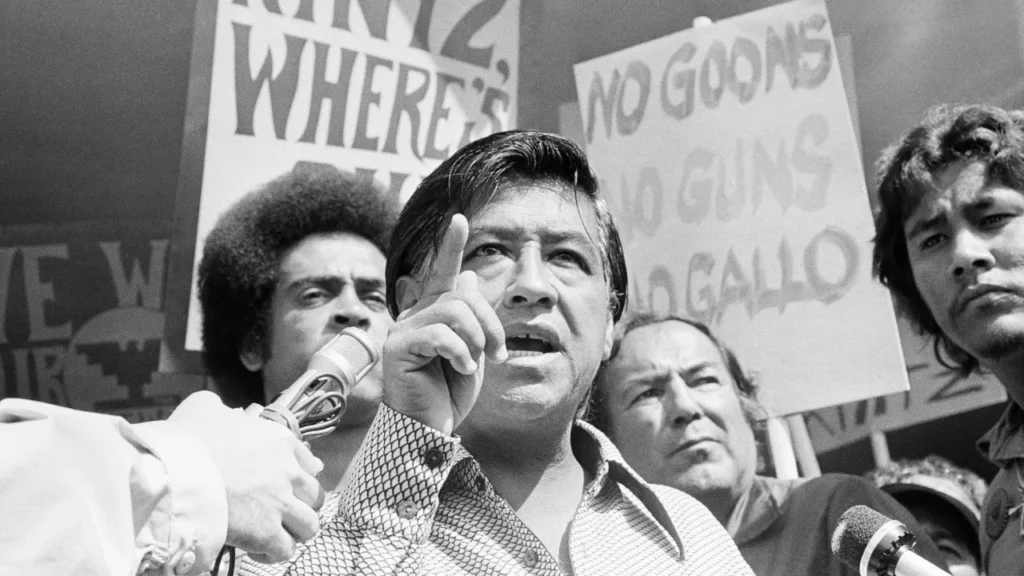
What Dolores Huerta Alleged
In a statement released on March 18, 2026, Huerta said Chávez sexually abused her in the 1960s and described two non-consensual encounters, one she said involved pressure and manipulation and another she characterized as forced. According to reports on her statement, Huerta said the encounters resulted in pregnancies that she kept secret for decades because she did not want to damage the farmworker movement they had built.
Huerta said she had remained silent for more than 60 years to protect the broader cause, but decided to speak publicly after the new investigation and allegations became known. In her statement, she emphasized that the movement for farmworkers’ rights is bigger than any one leader.
Why This Story Is Making National Headlines
The story has become one of the day’s biggest headlines because it touches one of the most recognized figures in U.S. labor and civil-rights history. Chávez is widely remembered for co-founding the movement that became the United Farm Workers, and his legacy is publicly honored through annual marches, memorials, and commemorative events around March 31, his birthday.

The latest allegations have shifted that public conversation dramatically. Reports say the disclosures have triggered a nationwide reckoning over how Chávez’s legacy should be remembered if the allegations are true, especially given his status as a historic Latino labor icon.
Events and Celebrations Are Being Canceled
In response to the allegations, the United Farm Workers said it would step back from celebrations honoring Chávez. The union said the claims were serious enough that it would not participate in the usual Chávez Day commemorations and instead encouraged people to focus on acts of service or immigration justice work.
The César Chávez Foundation and the UFW Foundation also publicly acknowledged the allegations. The Chávez Foundation said it was shocked and saddened by the reports, while the UFW Foundation said the accusations were disturbing and serious enough to justify canceling César Chávez Day activities this month.
Cities and organizations have already started canceling or rebranding marches and events connected to Chávez’s legacy, including commemorations in Texas, Arizona, and California.
What Has and Has Not Been Confirmed
What is confirmed is that Dolores Huerta has now publicly accused Chávez, and major labor-related organizations tied to his legacy have responded by canceling or suspending commemorative activities. Those actions alone show how seriously the claims are being treated.
At the same time, the United Farm Workers has said it has not received direct reports or firsthand knowledge of the abuse allegations itself, even while acknowledging their seriousness. That distinction is important, because much of the current reporting is based on survivor statements, investigative journalism, and organizational responses rather than court findings or a new legal case.
Why This Matters
This story matters not only because of the stature of Chávez in American history, but also because it reflects a broader pattern of historical re-examination. Public figures once honored almost universally are increasingly being reassessed when survivors and witnesses come forward with allegations of abuse. In this case, the fact that Huerta herself has spoken publicly gives the story added historical and political weight.
It also places labor organizations, schools, cities, and community groups in a difficult position as they decide whether and how to continue honoring Chávez while allegations of abuse remain central to the news cycle.
Final Thoughts
The accusations involving César Chávez mark a major and painful turning point in the public understanding of one of America’s best-known labor leaders. Dolores Huerta’s decision to speak now has transformed the story from a historical allegation into a national reckoning over memory, legacy, and accountability.