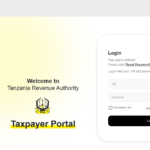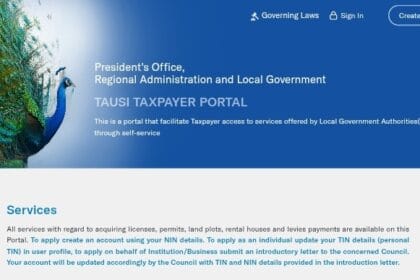

IDRAS System TRA Tanzania – Full Guide to the Integrated Domestic Revenue Administration System. The IDRAS System is the latest digital tax administration platform introduced by the Tanzania Revenue Authority (TRA) to modernize domestic revenue collection in Tanzania. Officially known as the Integrated Domestic Revenue Administration System (IDRAS), this system brings all tax services under one online platform, making tax compliance easier, faster, and more transparent for individuals and businesses.
What Is the IDRAS System?
The Integrated Domestic Revenue Administration System (IDRAS) is a comprehensive online system developed by TRA to manage domestic taxes electronically. It replaces multiple older systems by integrating taxpayer registration, return filing, tax payments, assessments, notifications, and compliance monitoring into a single digital portal.
With IDRAS, taxpayers no longer need to visit TRA offices frequently or use different platforms for different tax services.
Objectives of IDRAS System
The introduction of IDRAS supports Tanzania’s broader digital transformation agenda. Its main objectives include:
- Expanding the national tax base
- Improving tax compliance and voluntary payments
- Enhancing transparency and fairness in tax assessment
- Reducing tax administration costs
- Minimizing human errors and tax disputes
Key Features of IDRAS System TRA
1. Single Online Tax Portal
All domestic tax services are accessed through one system, including PAYE, income tax, VAT, SDL, and other domestic taxes.

2. Online Taxpayer Registration
Individuals and businesses can register for a TIN and update taxpayer details directly through IDRAS.
3. Electronic Tax Filing and Payments
Tax returns can be filed online, and payments are made electronically via banks and mobile payment channels integrated with TRA.
4. Integrated Government Data
IDRAS connects with other government institutions to ensure accurate taxpayer data and reduce tax evasion.
5. Electronic Fiscal Receipts
The system supports digital fiscal receipts, reducing reliance on traditional EFD machines for some categories of taxpayers.
6. Digital Communication
All notifications, reminders, and correspondence between TRA and taxpayers are delivered electronically and stored within the system.
Benefits of IDRAS to Taxpayers
The IDRAS system offers significant advantages to individuals, SMEs, and large businesses:
- Convenience: Access tax services anytime, anywhere
- Time-saving: No long queues or physical paperwork
- Transparency: Clear visibility of tax obligations and payments
- Accuracy: Reduced estimation and manual errors
- Lower compliance costs: Less need for physical visits and printed documents
How IDRAS Improves Tax Compliance
By using real-time data integration and automated processes, IDRAS helps TRA identify non-compliant taxpayers while ensuring compliant taxpayers are treated fairly. The system encourages voluntary compliance by making tax procedures simple and predictable.
Who Should Use the IDRAS System?
The IDRAS system is mandatory for:
- Registered businesses in Tanzania
- Employers filing PAYE and SDL
- VAT-registered entities
- Self-employed individuals
- Tax consultants and accountants acting on behalf of clients
IDRAS System and Tanzania’s Digital Economy
The launch of IDRAS marks a major milestone in strengthening Tanzania’s domestic revenue mobilization. By reducing informality and improving efficiency, the system supports national development projects funded through domestic taxes rather than external borrowing.
Conclusion
The IDRAS System by TRA Tanzania is a game changer in tax administration. It simplifies tax processes, enhances transparency, and promotes fairness for all taxpayers. As Tanzania continues embracing digital government services, IDRAS stands out as a key pillar in building an efficient and accountable tax system.
For individuals and businesses, understanding and using IDRAS is no longer optional it is essential for smooth tax compliance in Tanzania.